
May 22, 2025
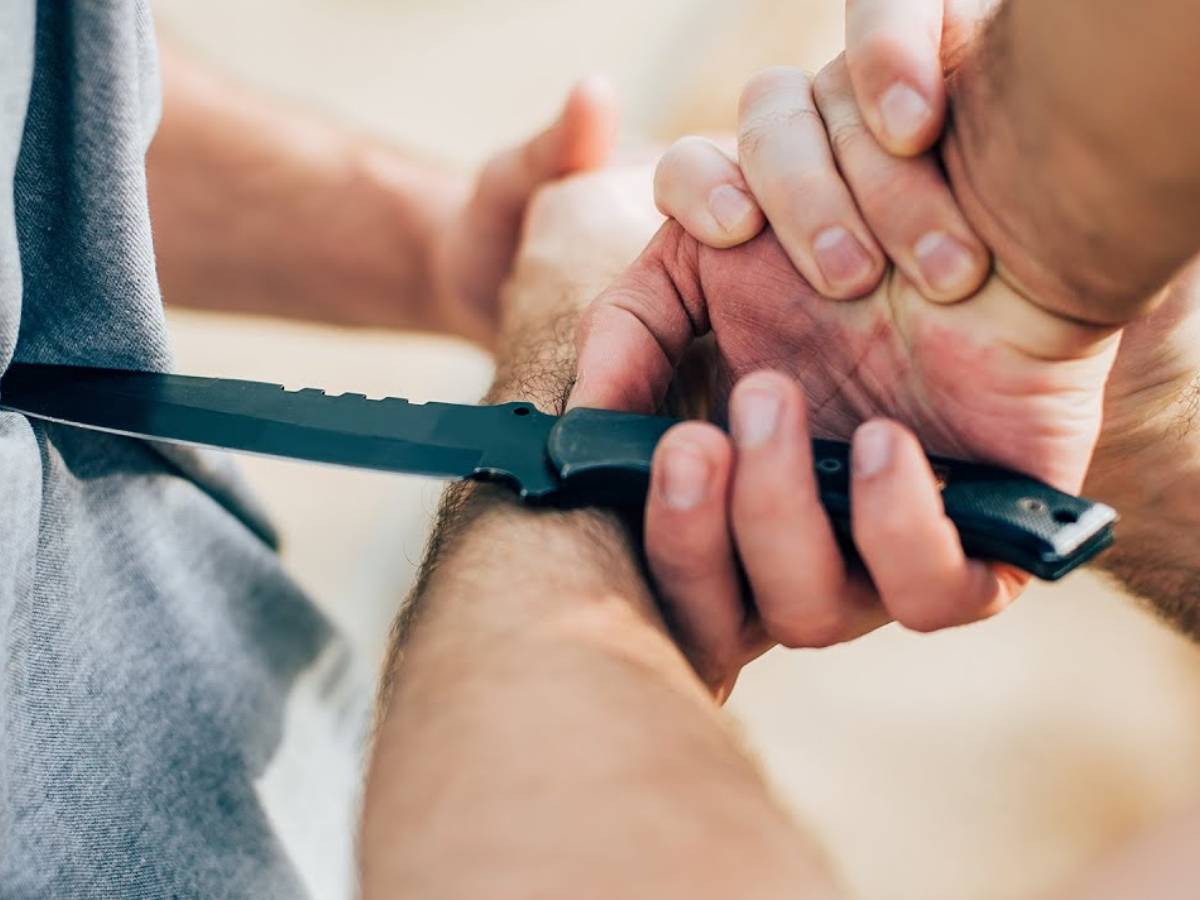
In the UK today, knife crime is on the rise. This is a serious and deeply concerning issue, with devastating impacts on both victims and perpetrators. While possession of a knife is illegal and carries a sentence of up to 4 years’ imprisonment, enforcement alone has not deterred young people from carrying knives, purchasing edged weapons, or threatening others with blades.
We believe that protecting young people from knife crime—whether as victims or perpetrators—has never been more urgent.
To address this issue, we are planning an invitation-only, government and public sector-focused anti-knife symposium in Sussex in early 2023. This symposium aims to foster understanding and create a cohesive multi-agency programme to tackle the issue.
Knife Crime Statistics in England and Wales:
The nature and extent of knife crime vary across the regions. According to the Criminal Justice System (CJS):
- In the year ending March 2022, there were 19,555 knife and offensive weapon offences formally dealt with, a 5% increase from the previous year (March 2021).
- However, this is still 9% lower than the figures from March 2020 (before the pandemic) and similar to levels seen in March 2017.
- During the pandemic’s early restrictions (April to June 2020), offences dropped by 52%, but numbers returned to pre-pandemic levels by 2022.
Key Trends:
- Offences related to possession of a blade or point increased by 8% in the year ending March 2022.
- Possession offences now account for around 67% of all knife and offensive weapon offences, compared to 56% in March 2012.
- 43% of knife-related offences in 2022 resulted in charges or police cautions, a decrease from 50% in 2021.
Despite enforcement, there are numerous reasons why individuals carry knives, and many fail to fully consider the potential consequences of their actions.